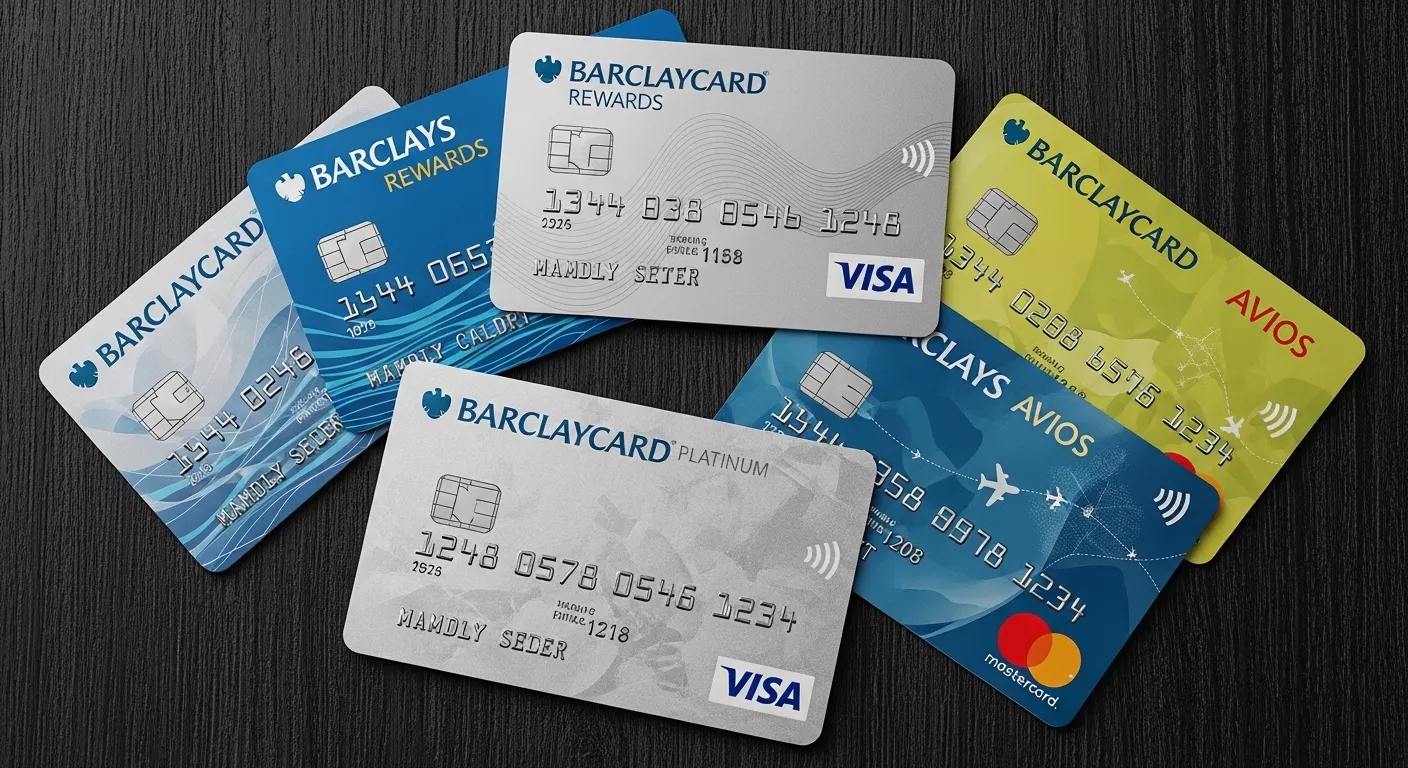
Barclays & Citi Global Offers – Established Multinational Strength in 2026

Fear of rejection is one of the strongest motivators in financial searches. Users want to know exactly what might stop their approval and how to prevent it.
That’s why this kind of article generates high CTR, long session times, and naturally leads the reader back to the main UnionBank guide.
Below is a clean, direct, and highly engaging guide showing the most common mistakes that prevent UnionBank credit card approval—plus what you can do to fix them before applying.
One of the biggest reasons applicants get declined is simply because their information doesn’t match across documents, databases, or existing banking records. Even small inconsistencies can trigger automated rejection.
Common mistakes include:
• Wrong or mismatched address
• Misspelled name
• Different signatures across documents
• Outdated contact details
• Incorrect income declaration
• Inconsistent employment information
Banks cross-check your data with internal and external databases. If anything seems inaccurate or incomplete, the system may flag your application as “high risk” and decline it automatically.
• Use the same exact name across all documents
• Update your government IDs
• Ensure your billing address is current
• Keep your employment title consistent
• Double-check all fields before submission
Accurate data isn’t a small detail—it’s one of the biggest approval factors.
Even though UnionBank is more flexible than many traditional banks, there are certain credit issues that significantly reduce approval chances. These issues directly affect your creditworthiness and risk assessment.
The most common red flags include:
• Multiple late payments in the last 12 months
• High credit utilization on other cards
• Unsettled balances or unpaid loans
• Active collections
• Overdrawn bank accounts
• Too many recent hard inquiries
• Frequent cash advances
Any of these sends a strong signal to lenders that repayment behavior may be unstable.
• Bring all accounts current
• Reduce credit card balances
• Avoid cash advances for at least 60 days
• Stop applying for multiple cards
• Delete unnecessary automatic subscriptions to stabilize cash flow
Small improvements can dramatically change your internal score.
Beyond credit data, banks also consider your profile strength. These factors don’t directly show in your credit report but impact risk decisions internally.
If your age does not align with the expected income or job title you list, it may trigger a manual review.
UnionBank reviews how consistent your income appears based on your banking behavior.
Signals of instability include:
• Salary constantly delayed
• Very irregular inflows
• Multiple sudden withdrawals
• No permanent employment pattern
Banks prefer applicants who have evidence of:
• steady account activity
• bill payments through digital banking
• stable monthly cash flow
• consistent minimum balances
A “thin” banking profile leads to low internal scoring, even with a decent credit score.
• Maintain consistent deposits
• Avoid large unexplained withdrawals
• Keep a stable monthly balance
• Pay recurring bills through the same bank for stability
Consistency is a powerful approval factor.
Certain behaviors immediately raise risk concerns across banks, not just UnionBank. These include:
• Recently closed credit cards
• Having too many active credit lines
• Approval attempts from different issuers in a short time
• High usage on all existing cards
• Recent bounced payments
• Negative bank records even if credit report is clean
Banks look for long-term stability. If your profile shows volatility—even if temporary—it can impact your outcome.
• Pause all credit applications for 30 days
• Build predictable financial patterns
• Reduce your utilization below 30%, ideally under 10%
• Make at least two small, clean payments before applying
This stabilizes your internal risk score rapidly.
Here are fast, effective steps to improve your financial profile in the days or weeks before applying. These techniques increase internal scoring and reduce rejection risk.
This is the fastest way to signal stability.
Ideal: below 30%
Optimal: below 10%
Even tiny unpaid charges can trigger negative scoring.
Banks prefer predictable monthly activity.
High spending spikes can be interpreted as financial stress.
This improves how your balance is reported.
It increases account age and depth.
Strong cash reserves reduce risk signals.
Getting declined once doesn’t mean you can’t get approved later. Many rejections happen because of timing or temporary instability—not because the applicant is permanently unqualified.
Review:
• recent inquiries
• utilization
• missed payments
• unstable bank activity
• inconsistent data
Most problems can be improved within 7–30 days.
Banks reward users who:
• log in often
• maintain stable balances
• pay digitally
• use automated payments
Applying again too soon can hurt your chances.
Once your profile is clean and stable, revisit the main UnionBank article to compare cards and find the best match.
If you want to avoid these mistakes and make sure your profile is strong before applying, return to the complete UnionBank guide. It explains how each card fits different financial profiles and how to choose the safest option based on your situation.