Barclays & Citi Global Offers – Established Multinational Strength in 2026

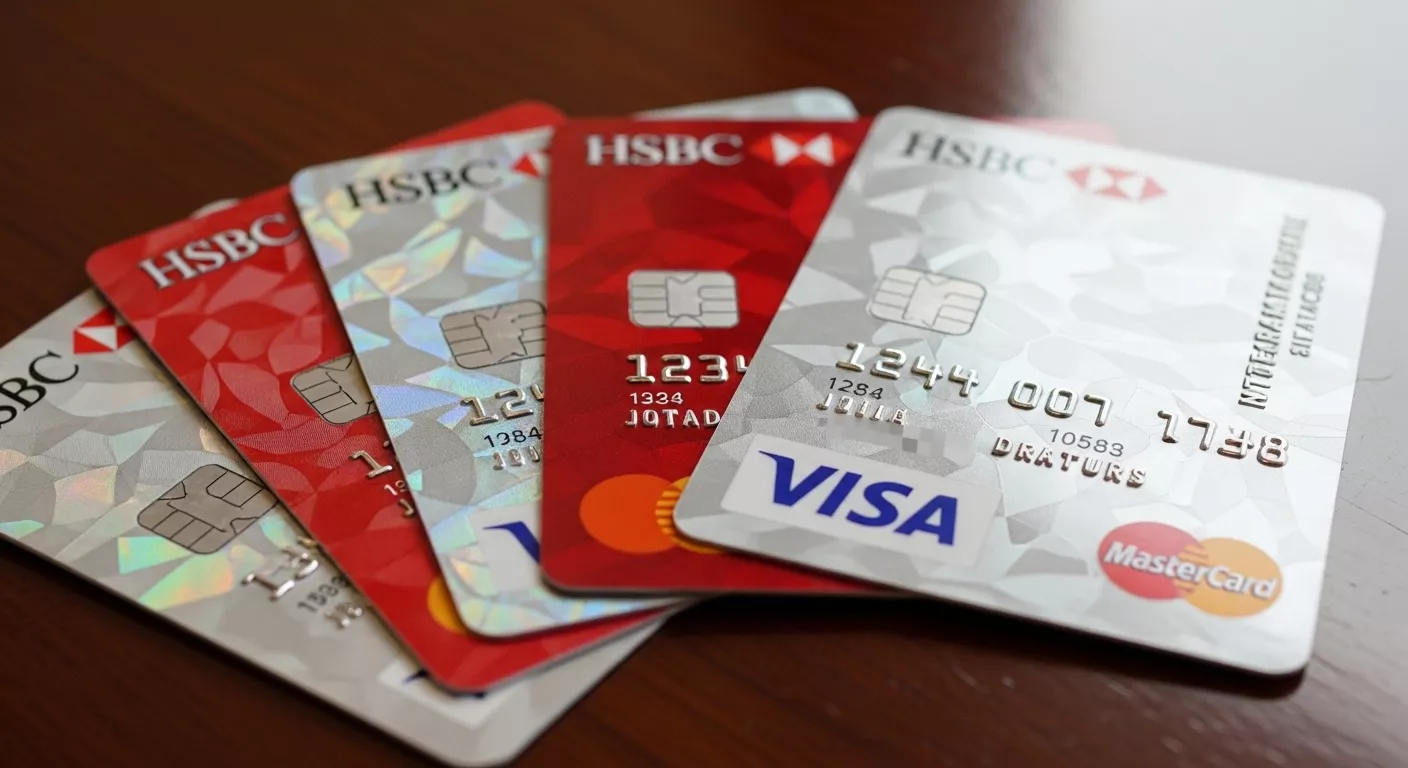
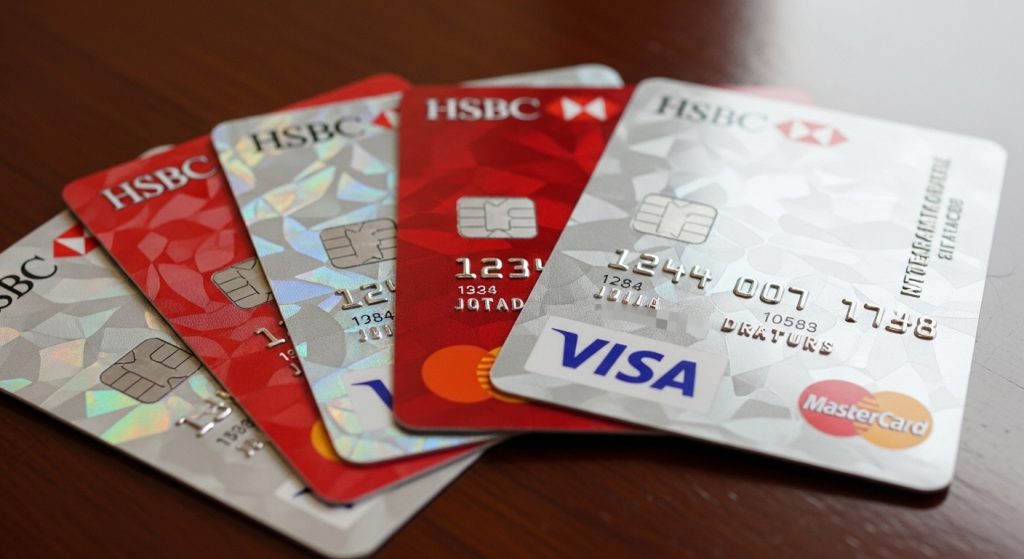
HSBC remains one of the most internationally integrated banking institutions in the world. In 2026, its credit card portfolio continues to reflect strong global positioning, particularly for applicants who maintain cross-border financial presence or value international banking relationships.
Unlike institutions that focus primarily on domestic market penetration, HSBC’s structure is built around global connectivity. This positioning naturally appeals to individuals who operate across multiple countries, hold international accounts, or prefer financial ecosystems that extend beyond a single region.
For globally mobile applicants, this alignment can be strategic.
HSBC’s credit card positioning often integrates closely with its broader banking ecosystem. This may include:
• International account connectivity
• Cross-border banking infrastructure
• Multi-currency exposure
• Integrated global service channels
• Relationship-based portfolio alignment
Rather than relying solely on promotional incentives, HSBC frequently emphasizes relationship continuity and long-term banking integration.
Applicants who already maintain deposits, savings accounts, or investment relationships within HSBC’s ecosystem may experience smoother alignment within internal evaluation models.
Relationship depth can influence positioning.
HSBC international credit cards often align well with individuals who:
• Maintain accounts in multiple regions
• Travel or work internationally
• Hold diversified financial exposure
• Demonstrate stable long-term banking relationships
• Prefer global brand consistency
While approval sensitivity varies by region, portfolio exposure and existing relationship history may influence internal routing.
Applicants without prior relationship history may still qualify, but those integrated within the ecosystem often align more naturally.
Traditional multinational institutions like HSBC frequently evaluate not only standalone credit metrics, but also broader financial engagement.
Internal assessment may consider:
• Existing account history
• Transaction stability
• Portfolio exposure within the bank
• Duration of relationship
• Behavioral consistency across products
In 2026’s adaptive approval environment, relationship-based data integration continues to play an important role within global banks.
Consistency remains key.
One of HSBC’s strongest differentiators is its international footprint.
Applicants operating across regions may benefit from:
• Global service accessibility
• Cross-border account visibility
• International payment integration
• Multi-region support channels
• Structured international financial alignment
While specific product features vary by country, HSBC’s overarching value proposition centers on international continuity.
For globally active individuals, this ecosystem depth can outweigh short-term promotional intensity.
Like other multinational banks, HSBC operates within adaptive portfolio management systems. Approval thresholds may shift based on:
• Regional economic signals
• Portfolio risk balancing
• Cross-border exposure
• Global credit cycle conditions
Because HSBC manages large international portfolios, internal calibration may reflect broader global conditions rather than isolated local factors.
Monitoring current approval trends before applying can provide additional strategic clarity.
Within the broader market:
• Premium global banks emphasize long-term ecosystem strength
• Cashback-focused institutions emphasize immediate value
• Digital-first platforms emphasize speed and onboarding efficiency
HSBC sits firmly in the relationship-driven global segment.
For applicants seeking:
• International continuity
• Integrated banking ecosystem
• Structured cross-border presence
This positioning may align more strongly than purely promotional alternatives.
Consider HSBC international credit cards if:
• You operate across multiple countries
• You value integrated global banking
• You maintain stable long-term financial relationships
• You prefer international brand recognition
• You seek cross-border account continuity
If your primary objective is maximum short-term cashback or the fastest digital onboarding, other strategies may better align.
Alignment remains more important than intensity.
Before moving forward, evaluate:
• Do you have an existing HSBC relationship?
• Is your credit profile stable and consistent?
• Does global integration matter for your financial behavior?
• Have you reviewed current approval trend positioning?
Strategic positioning improves clarity.
If HSBC aligns with your international footprint and financial structure, the next step is reviewing the full product breakdown.