Financial market
15/09/2025

Getting approved for a UnionBank credit card can unlock valuable financial benefits such as cashback, rewards, travel perks, installment programs, and better payment flexibility for everyday expenses. But approval isn’t automatic.
Banks evaluate applicants based on creditworthiness, financial behavior, income stability, and overall risk profile. Understanding these factors can significantly improve your chances of being approved on your first attempt.
This complete guide covers exactly what UnionBank looks for, the documents you need, how to strengthen your credit score, common rejection reasons, and the best strategies to maximize your approval odds. Whether you’re applying for your first card or upgrading to a more premium product, this guide will help you apply with confidence.
UnionBank offers a diverse portfolio of credit cards designed for different lifestyles. Whether you prefer cashback cards for saving money on groceries and fuel, premium travel cards for frequent flyers, digital-first cards with virtual controls, or cards optimized for installment purchases, UnionBank has products that cater to a wide range of needs.
Their application process is straightforward, and most transactions can be done online through their digital banking ecosystem.
Beyond the product selection, UnionBank’s advantage is in its strong digital infrastructure, making managing your credit card easier. Payments, billings, fraud alerts, and spending controls can be accessed through mobile and web banking, offering convenience and transparency for cardholders.
Banks use a combination of data points and algorithms to determine whether an applicant is eligible for a credit card. These include your credit score, employment status, monthly income, banking history, debt level, and repayment behavior.
Each factor contributes to a risk assessment that determines your approval likelihood and credit limit.
UnionBank follows a structured evaluation model that considers:
Credit Score and Payment History
Your credit score is one of the most critical elements in the evaluation process. It reflects your history of borrowing and repaying money.
A high score signals responsible financial behavior, while a low score indicates potential risk to the lender. Even if you have a stable income, banks may decline your application if your score reveals late payments or default patterns.
Income and Employment Stability
UnionBank requires applicants to demonstrate consistent income. Salaried employees must show proof of employment, while self-employed individuals must present business documentation.
The bank evaluates not just how much you earn, but how stable your income is. Higher income and long-term employment increase your approval chances.
Debt-to-Income Ratio
This metric compares your monthly debt obligations to your monthly income. If a large portion of your income goes toward paying loans or financing, it may signal that you cannot take on additional credit. Keeping your debt low relative to income is essential for credit approval.
Banking Relationship
Having an active account or transaction history with UnionBank can work in your favor. Banks tend to trust applicants who already maintain healthy financial behavior within their ecosystem. Regular savings, salary deposits, or investment accounts can enhance your internal credit profile.
While each specific card may have its own set of requirements, the general qualifications include:
• At least 18 years old
• A stable source of income
• Valid government-issued identification
• Good credit standing
• Proof of residence
• Proof of financial capacity
Income requirements vary depending on the card. Basic cashback cards may require a moderate minimum income, while premium cards often require higher earnings to qualify.
UnionBank typically asks for the following documents:
• Latest payslips (1–3 months)
• Certificate of employment with salary
• Valid government ID
• Proof of billing
• Tax Identification Number (TIN)
• Business registration documents
• Latest income tax return (ITR)
• Audited financial statements
• Bank statements (3–6 months)
• Valid government ID
• Proof of billing
• Secondary ID
• Marriage contract (if applicable)
• Additional proof of income for higher credit limits
Providing complete and accurate documents reduces processing time and increases your chances of being approved.
Many applicants get denied for avoidable reasons. Understanding these can help you correct issues before reapplying.
Low Credit Score
If your score shows late payments, missed bills, or unpaid debts, the bank may consider you high risk.
High Debt Levels
If your existing loans or credit card balances are too high, the bank may determine that you cannot handle additional credit.
Insufficient Income
If your income doesn’t meet the minimum threshold required for the card type, the bank may reject your application.
Incomplete Documentation
Missing or incorrect documents can lead to automatic denial.
Short Credit History
Applicants with no borrowing history may be denied due to lack of sufficient data. You may need to build your score first using basic products like secured cards or small-limit starter cards.
Unstable Employment
Frequent job changes or insufficient employment tenure may lower your approval chances.
Improving your eligibility isn’t complicated. With the right steps, you can significantly boost your probability of approval.
Your credit score reflects your financial discipline. Improve it by:
• Paying bills on time
• Reducing credit card balances
• Avoiding new loans before applying
• Correcting errors on your credit report
• Keeping your credit utilization below 30%
A solid repayment history is one of the strongest signals banks consider.
Maintaining accounts with UnionBank or other institutions shows financial consistency. Savings accounts, deposits, and responsible digital banking activity can enhance internal scoring.
Applying for a premium card with a high minimum income requirement increases the likelihood of denial. Select a card that matches your financial capacity.
Before applying, pay down loans or credit card balances. A lower debt-to-income ratio strengthens your profile.
Submitting all required documents without errors accelerates approval.
Applying for several credit cards at once can negatively affect your credit score. Space out your applications to avoid unnecessary rejections.
If you have no credit history, consider starting with a secured credit card. After responsible usage, you can upgrade to an unsecured UnionBank card.
UnionBank typically follows a streamlined approval process with the following stages:
You can apply online through the UnionBank website or physically at a branch. Online applications are faster and allow for quick document uploads.
The bank checks your identification, employment, and background information.
Your credit report, income level, and financial behavior are analyzed. Internal scoring models predict your likelihood of repayment.
If your profile meets the bank’s criteria, your application moves to final approval. Otherwise, it may be flagged for additional documents or reconsideration.
Once approved, your card is printed and delivered. Digital activation is available through the UnionBank app.
Once you have your UnionBank card, you can request a higher credit limit after demonstrating responsible usage.
Strategies include:
• Paying your balance in full
• Maintaining consistent on-time payments
• Increasing your reported income
• Using a significant portion of your credit responsibly
• Avoiding cash advances
• Building a longer account history
Banks monitor your usage patterns and may offer pre-approved limit increases over time.
Monitoring your spending and repayment habits helps you maintain long-term financial health. The following tips ensure sustainability:
• Always pay on time
• Keep your credit utilization low
• Review your statements regularly
• Avoid unnecessary loans
• Use the card for essential expenses
• Never share your credit card information
• Keep your contact details updated
Managing your card responsibly is crucial not only for your financial well-being but also for future upgrades and higher credit limits.
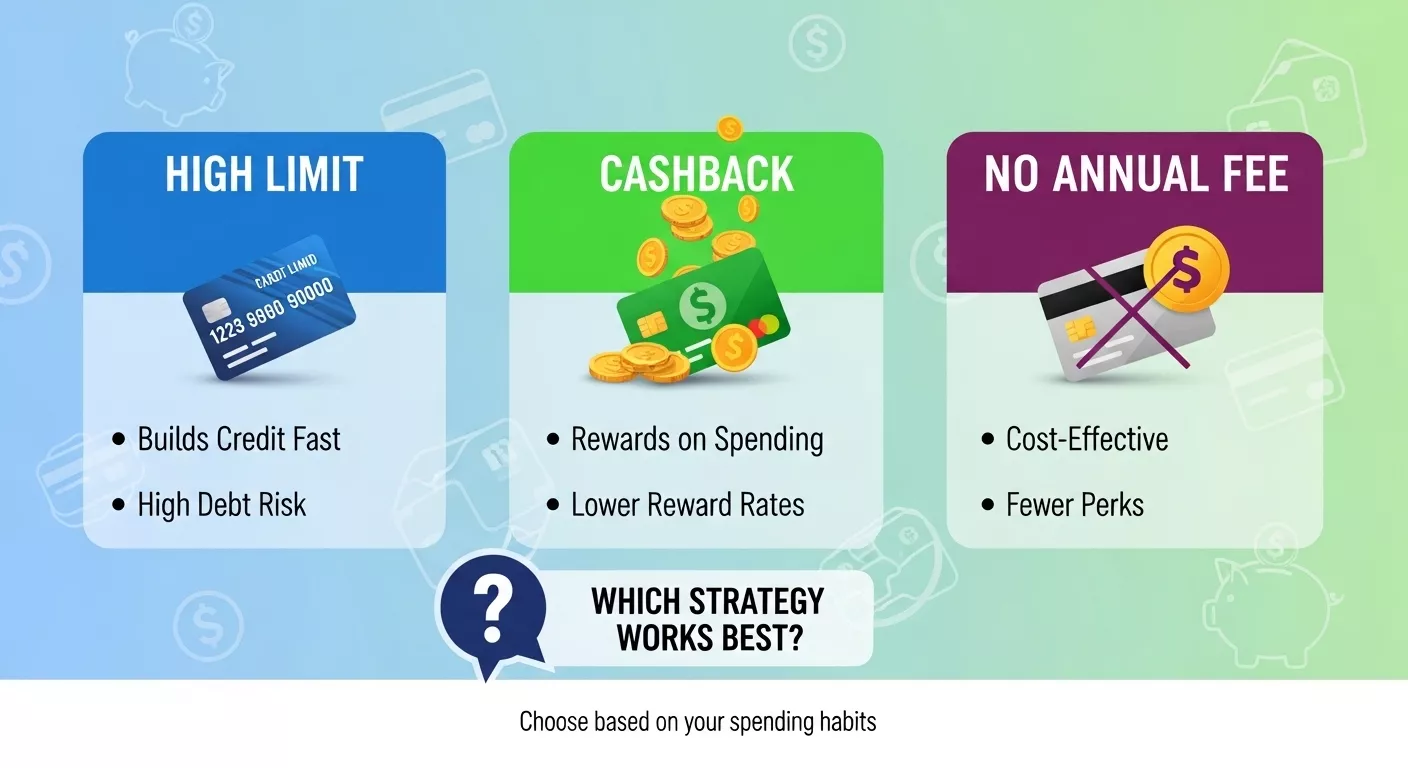
UnionBank offers a variety of cards across different categories. Depending on your income and lifestyle, you can choose:
• Cashback cards
• Travel and rewards cards
• Digital-first cards
• Co-branded cards
• Premium lifestyle cards
• Installment-friendly cards
Each card has unique features such as waived annual fees, attractive cashback rates, global acceptance, and flexible payment plans.
If you enjoy analyzing credit scoring models, lender behavior, and financial risk assessments, you can explore advanced tools such as the S&P Global Credit Assessment Scorecards. These scorecards provide deep insights into credit evaluation, data modeling, and borrower risk analysis.
Explore more at:
https://www.spglobal.com/market-intelligence/en/solutions/products/credit-assessment-scorecards