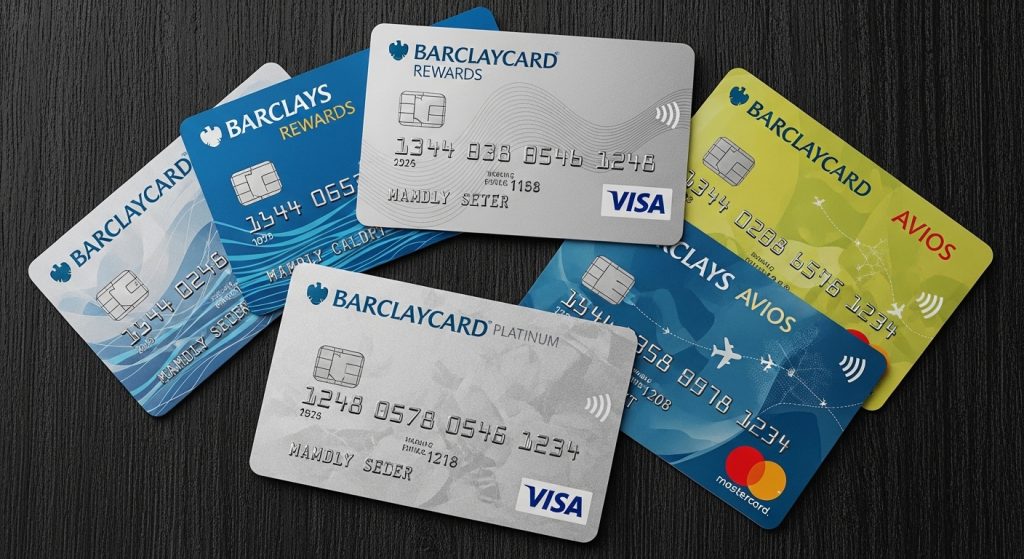
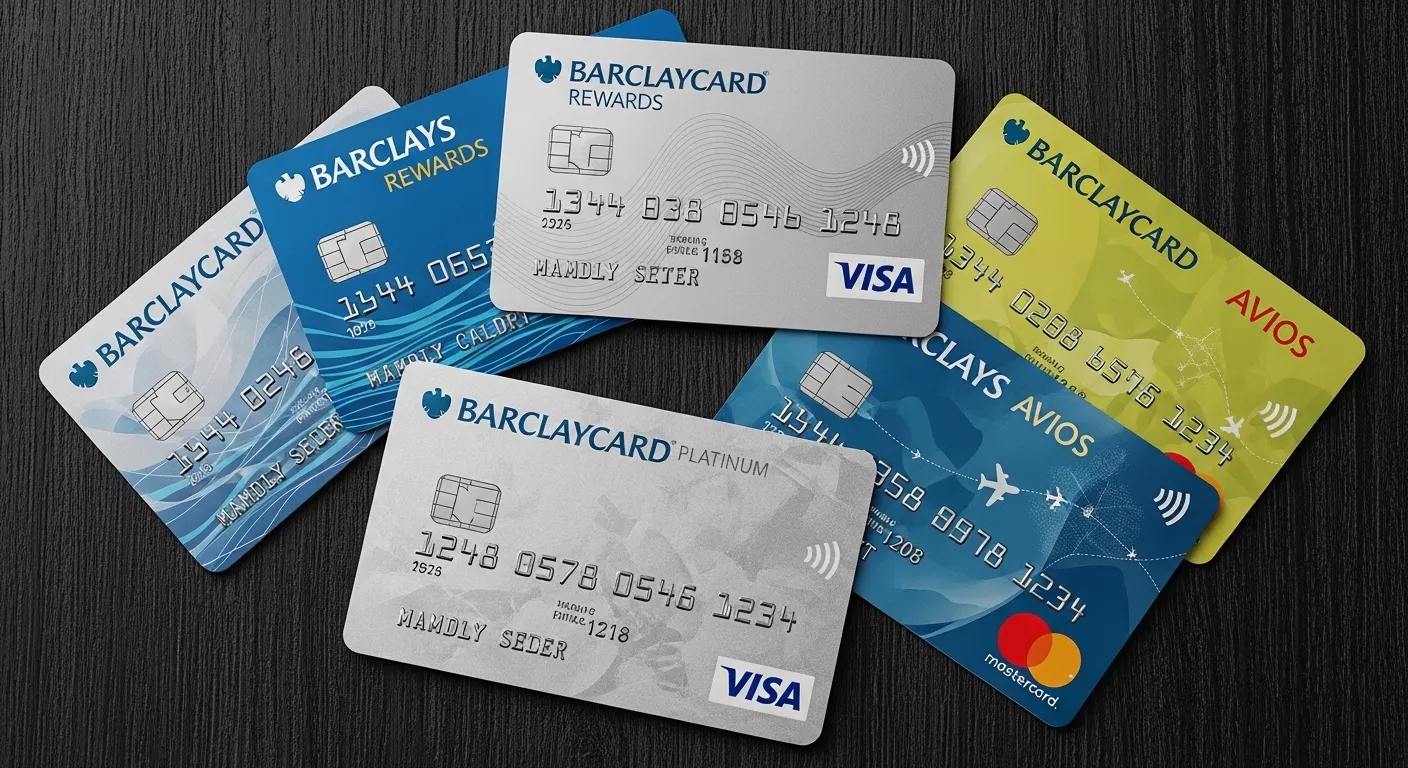
Barclays & Citi Global Offers – Established Multinational Strength in 2026

Barclays and Citi continue to operate as two of the most established multinational banking institutions in the global credit card landscape. In 2026, their portfolios reflect adaptive promotional structures, diversified product tiers, and international infrastructure that appeals to applicants seeking balance between rewards competitiveness and institutional stability.
Unlike purely digital platforms or exclusively premium-focused brands, Barclays and Citi occupy a broad middle-to-upper spectrum within the market. Their positioning combines global reach, structured rewards programs, and multi-tier product options designed to serve varied applicant profiles.
For individuals prioritizing long-term banking alignment with multinational institutions, this segment remains strategically positioned.
Both Barclays and Citi maintain diversified credit card portfolios that typically include:
• Cashback-focused products
• Travel and rewards programs
• Tiered card structures
• Co-branded partnerships
• Regionally adapted offerings
Their competitive advantage lies in combining global operational scale with adaptable promotional cycles. In expansion phases, these institutions often reposition incentives to remain competitive across regions.
Rather than relying exclusively on speed or exclusivity, they emphasize structured balance.
Barclays and Citi products often align best with applicants who:
• Maintain stable credit profiles
• Demonstrate consistent repayment behavior
• Prefer globally recognized institutions
• Seek diversified reward options
• Value institutional infrastructure
While specific underwriting models are not publicly disclosed, multinational banks often evaluate:
• Behavioral stability
• Utilization balance
• Inquiry frequency
• Exposure across institutions
• Income consistency
Applicants presenting balanced financial positioning may align naturally with this segment.
One of the defining features of Barclays and Citi in 2026 is adaptive promotional structure. Their marketing cycles frequently reflect competitive adjustments within:
• Cashback percentages
• Travel rewards incentives
• Limited-time sign-up bonuses
• Tiered upgrade opportunities
However, promotional visibility does not always equate to relaxed internal evaluation. Competitive campaigns often coexist with refined internal sensitivity.
Understanding this distinction helps applicants avoid assuming that marketing intensity guarantees easier approval.
Both institutions operate across multiple regions, allowing them to leverage international banking frameworks.
Advantages may include:
• Cross-border usability
• Structured global customer service networks
• Multi-region product variations
• Integration with international travel ecosystems
For applicants who value multinational banking continuity without moving exclusively into premium-only territory, this positioning provides flexibility.
In the broader competitive landscape:
• Premium brands emphasize exclusivity and ecosystem depth
• Cashback-focused institutions emphasize measurable everyday returns
• Digital-first platforms emphasize onboarding speed
• Relationship-driven banks emphasize global integration
Barclays and Citi sit within a balanced multinational segment, offering structured rewards without narrowing positioning to one specific strategy.
This creates versatility.
In 2026’s adaptive approval environment, multinational banks often calibrate sensitivity based on portfolio management cycles and regional economic conditions.
Internal assessment may emphasize:
• Stable repayment history
• Controlled credit exposure
• Measured inquiry activity
• Overall financial predictability
Applicants who maintain moderate, consistent financial behavior tend to align well with balanced multinational positioning.
Monitoring current approval trends before applying enhances clarity.
Consider Barclays or Citi global offers if:
• You prefer established multinational brands
• You seek structured reward flexibility
• You maintain stable financial behavior
• You value institutional infrastructure
• You want balanced positioning rather than extreme segmentation
If your priority is ultra-fast digital onboarding or premium exclusivity, alternative strategies may align more closely.
If your objective is balance and institutional strength, this segment remains competitive.
Before proceeding, consider:
• Is your credit profile stable and consistent?
• Have you avoided clustering recent inquiries?
• Does a multinational banking relationship align with your goals?
• Have you reviewed current market positioning trends?
Strategic clarity reduces uncertainty.
If Barclays or Citi aligns with your financial structure and long-term objectives, the next step is reviewing the full breakdown.