
Barclays & Citi Global Offers – Established Multinational Strength in 2026

The credit card market does not remain static. Approval responsiveness, promotional positioning, and competitive incentives shift constantly across global and digital institutions. That’s why this ranking is updated daily.
Instead of presenting a generic comparison table, this page reflects current observable positioning among internationally recognized banks and digital platforms serving English-speaking applicants worldwide.
If you are actively researching, timing and positioning matter.
Below are today’s top credit card offers based on strategy alignment, market activity, and observable responsiveness.
This ranking considers:
• Current approval environment
• Competitive positioning
• Strategy alignment (high limit, cashback, no annual fee)
• Digital onboarding efficiency
• Market responsiveness trends
It is not based solely on marketing headlines.
It reflects broader observable movement.
Strategy Strength: Premium positioning + rewards stability
Best For: Established profiles seeking strong benefits
American Express continues to maintain strong positioning in premium and rewards-focused segments. In 2026, their global portfolio reflects consistent benefit structures and competitive reward categories.
Premium-tier positioning may require stronger profile stability, but applicants with steady financial behavior often find value in long-term reward accumulation and brand consistency.
Strategy Strength: Cashback + flexible approval segments
Best For: Active spenders seeking balance between value and accessibility
Capital One maintains strong visibility in cashback and flexible rewards categories. Their product positioning often balances competitive incentives with broad applicant appeal.
Digital infrastructure improvements continue enhancing onboarding efficiency.
Strategy Strength: Global banking relationship leverage
Best For: Applicants with international banking footprint
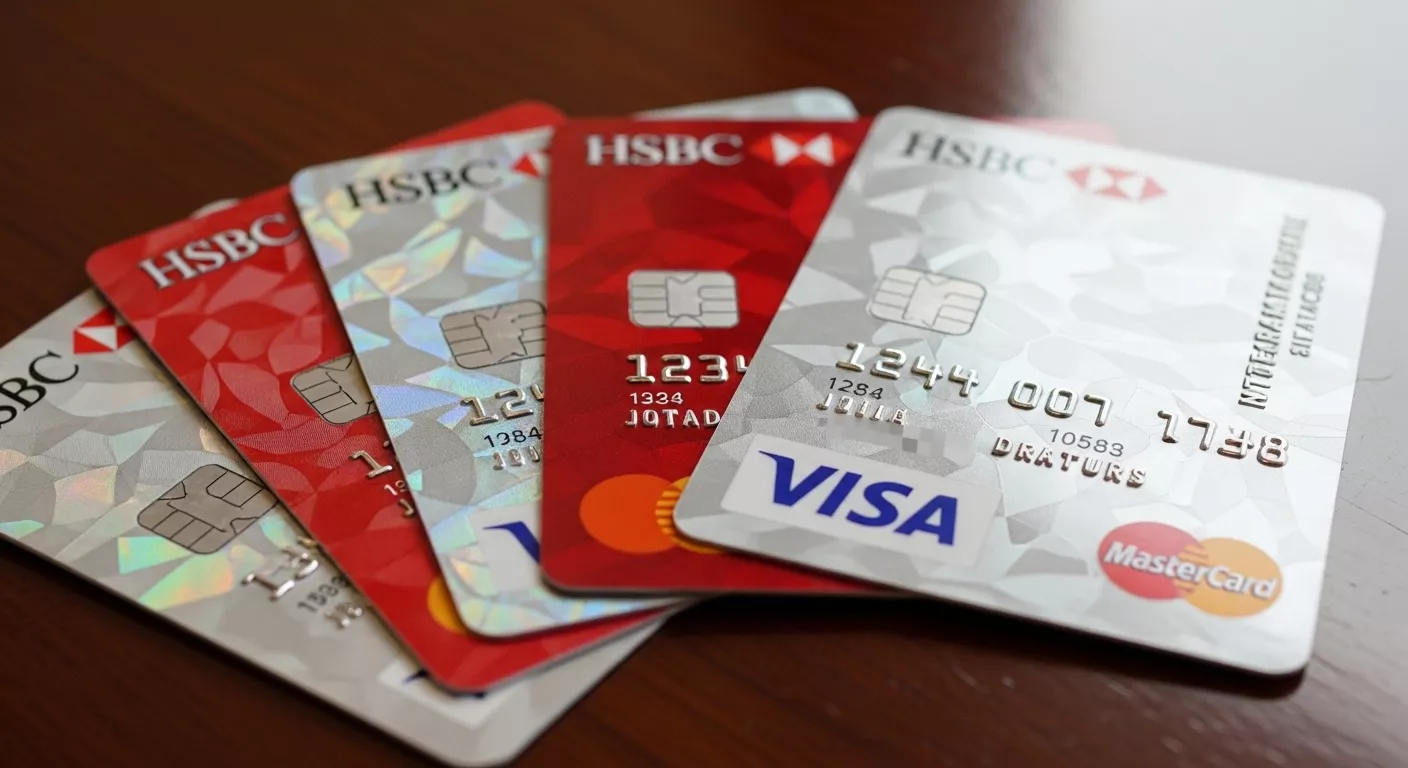
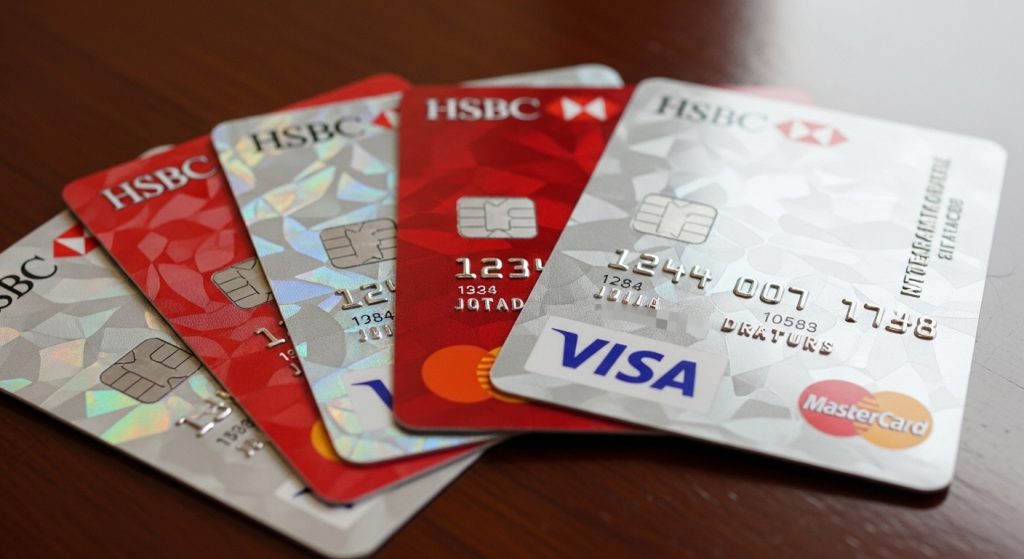
HSBC’s international portfolio serves globally mobile customers and applicants with cross-border financial presence. Approval sensitivity may vary depending on relationship depth and portfolio exposure.
Strong global positioning makes HSBC competitive in internationally oriented segments.
Strategy Strength: Digital-first onboarding + speed
Best For: Applicants prioritizing fast response and app-based management
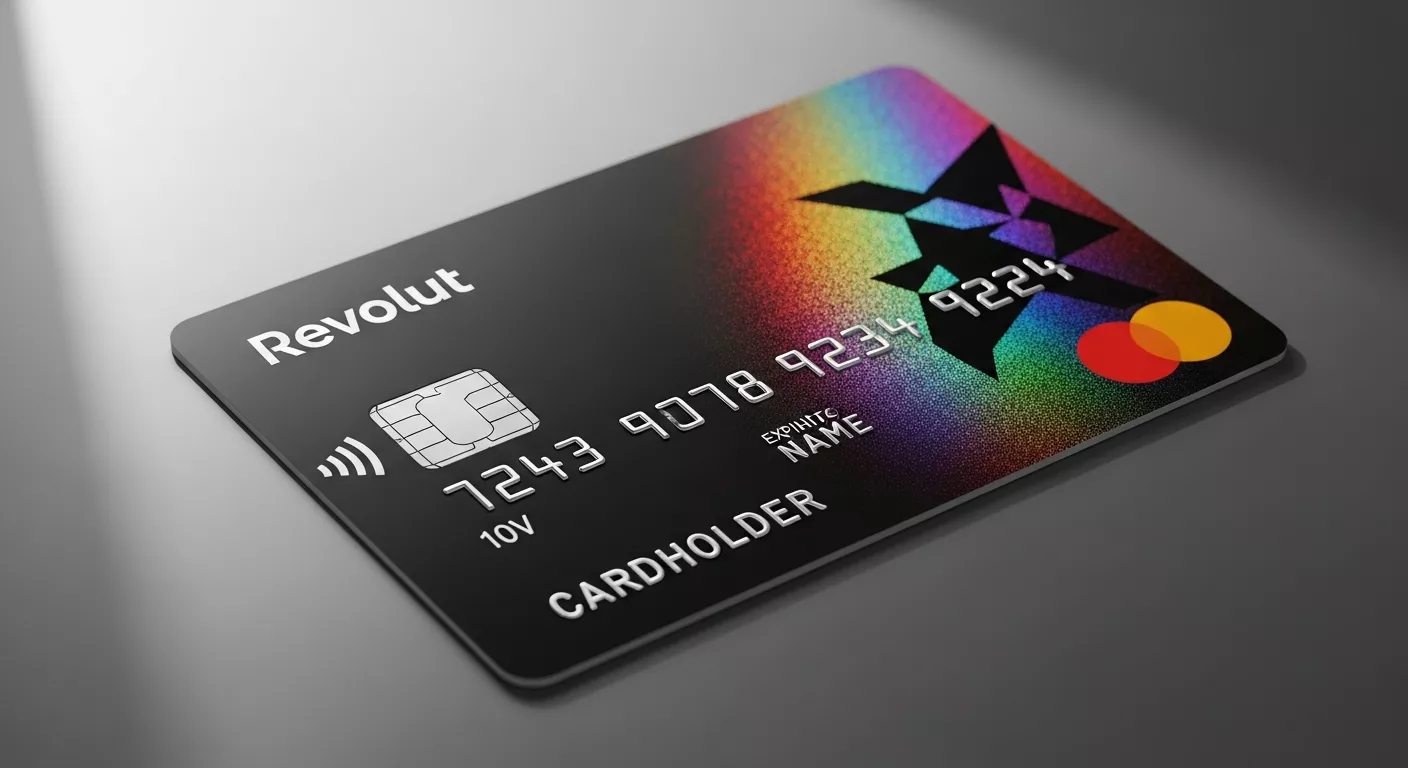
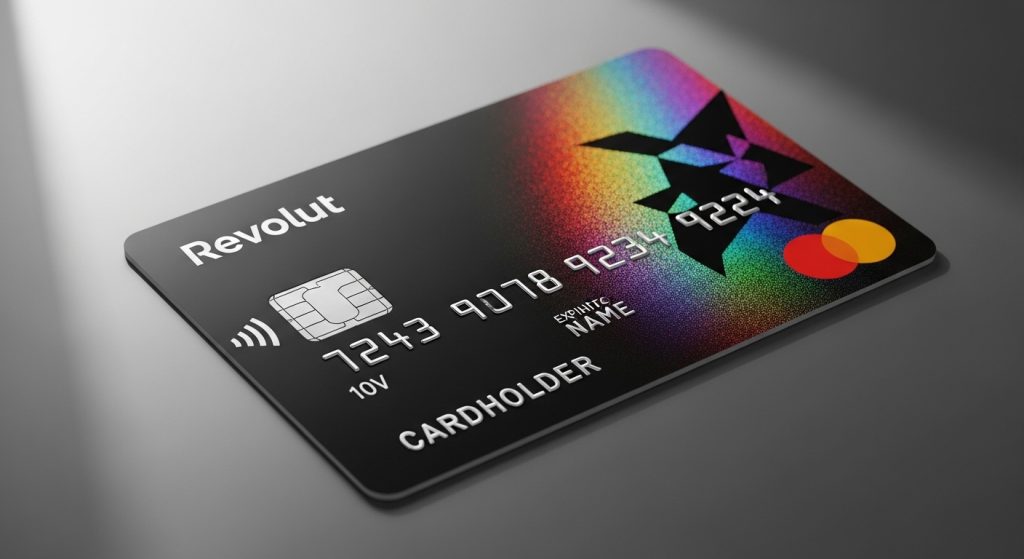
Revolut continues refining digital evaluation models. Their systems emphasize streamlined onboarding and rapid decision cycles.
For applicants seeking efficient digital interaction, this segment remains competitive.
Strategy Strength: Competitive rewards + international presence
Best For: Balanced profiles seeking established multinational banks
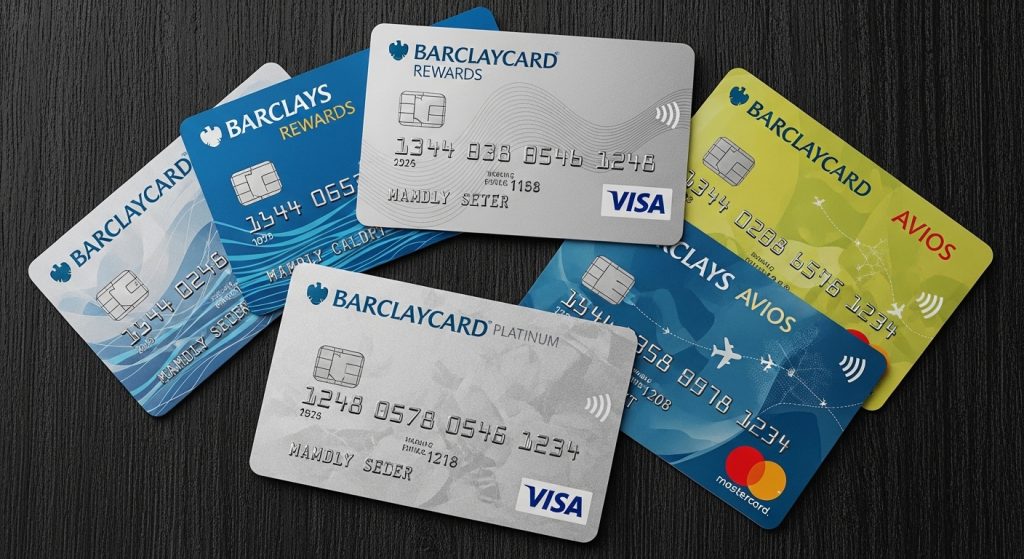
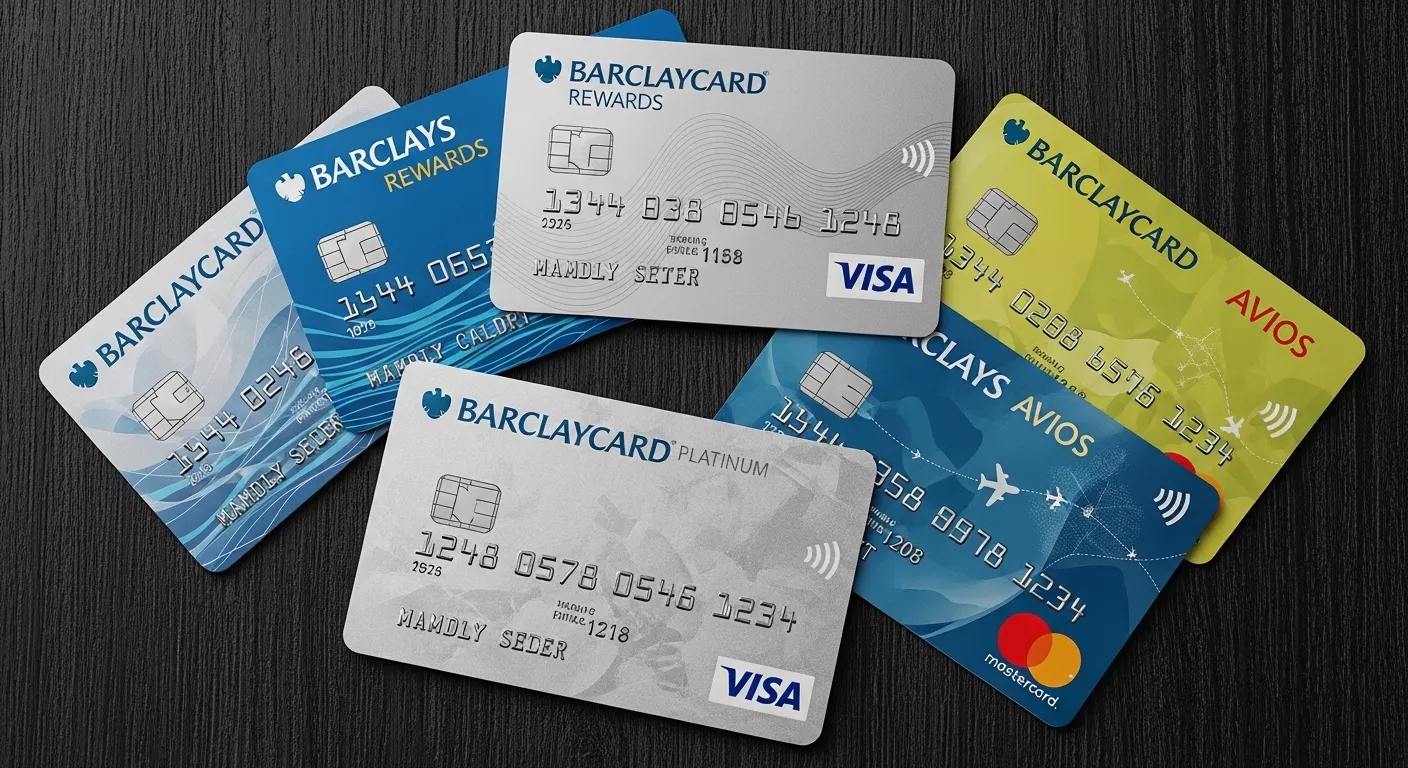
Barclays and Citi maintain competitive product portfolios across multiple regions. Their positioning in 2026 reflects adaptive promotional structures and global infrastructure strength.
Applicants with stable credit positioning may find these options aligned with broader financial planning goals.
Approval behavior shifts.
Digital onboarding evolves.
Promotional intensity changes.
Portfolio sensitivity adjusts.
An offer that appears strong today may operate differently next week.
That is why this page reflects daily positioning rather than static comparisons.
Checking updated rankings provides context before applying.
Before selecting a specific offer, remember:
High limit strategies require stronger stability.
Cashback strategies reward active, disciplined spending.
No annual fee strategies prioritize long-term cost control.
Choosing alignment matters more than chasing the highest visible number.
Each card listed above has its own structure, approval considerations, and positioning nuances.
Before submitting an application, review the full breakdown for the card you’re considering.